Dystonia Medical Research Foundation Announces 2026 Grant and Fellowship Recipients to Advance Dystonia Research
The Dystonia Medical Research Foundation (DMRF), a leading non-profit organization dedicated to funding research to find a cure for dystonia, is proud to announce its 2026 grant and fellowship recipients.
This year, the DMRF awarded six grants and fellowships for basic and clinical dystonia research projects. These grants and fellowships will support scientists investigating the underlying causes and mechanisms of dystonia and developing new treatment strategies.
“For 50 years, the Dystonia Medical Research Foundation has been supporting the work of young investigators studying dystonia. This is part of our mission to advance research for more treatments and ultimately a cure,” said Mark Rudolph, President of the Board at the DMRF. “We were impressed by the quality of these researchers and clinicians, and we are eager to follow how their work will benefit the greater dystonia community in the future.”
Grant Recipients
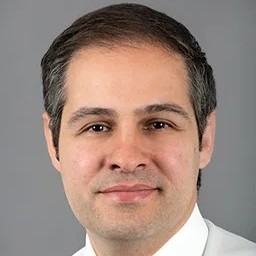
Darius Ebrahimi-Fakhari, MD, PhD & Katerina Bernardi, MD
Creating Clinical Trial Readiness for cAMP-Related Dystonias through Natural History Characterization and Therapeutic Discovery
Boston Children’s Hospital
Dr. Ebrahimi-Fakhari’s research will study cAMP-related dystonias and how rare and severe childhood movement disorders are caused by genetic changes that disrupt communication between brain cells. Affected children experience uncontrolled movements, painful muscle contractions, and severe dystonic episodes, yet there are currently no disease-modifying treatments and few therapeutic options. This project will follow 100 children over two years to better understand how these conditions progress and to identify meaningful measures needed for future clinical trials. In parallel, researchers will create patient-derived brain cell models to study disease mechanisms and screen thousands of existing FDA-approved drugs to identify potential treatment candidates.
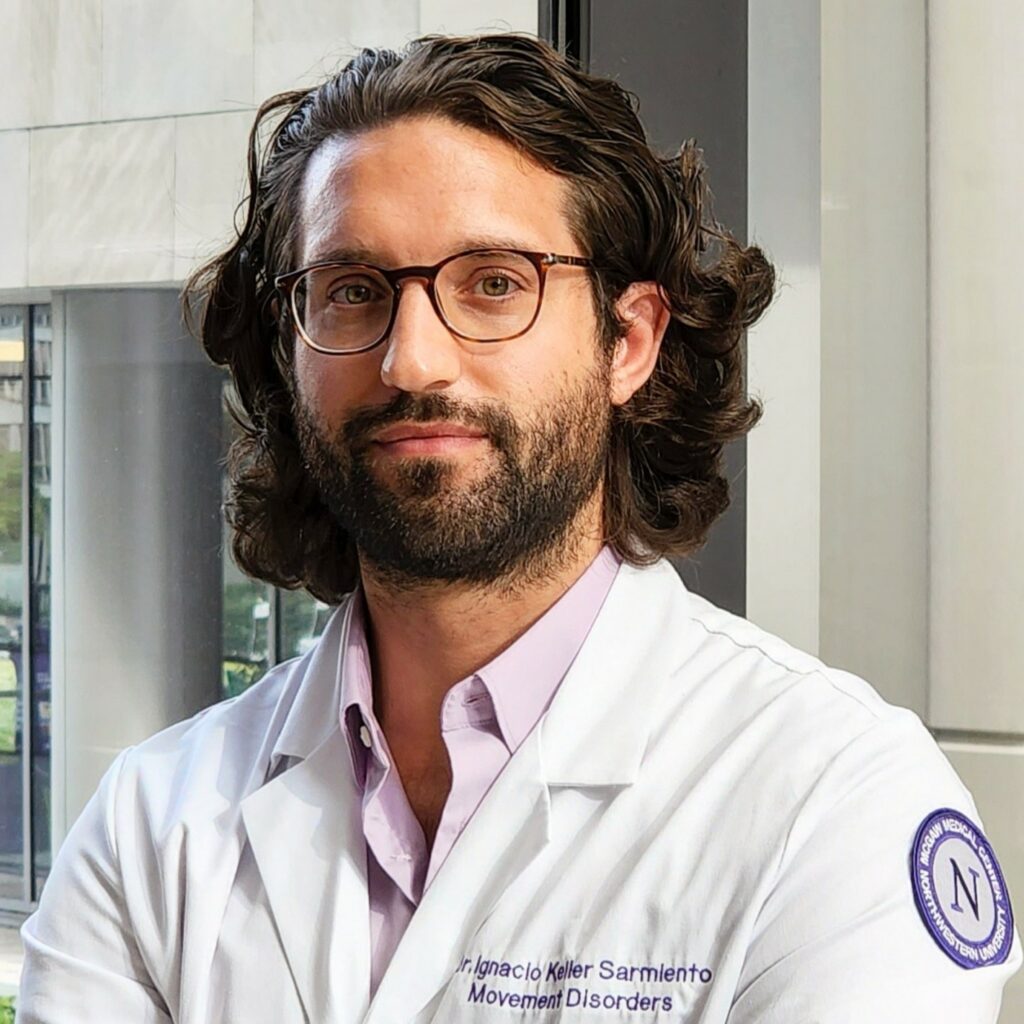
Ignacio Keller Sarmiento, MD
Integrative Transcriptomic and Machine Learning Framework for Novel Dystonia Gene Identification
Northwestern University
Dr. Sarmiento researches how dystonia is a rare movement disorder that causes involuntary muscle contractions and abnormal postures, yet about 80% of cases still lack a known genetic cause. This project will use advanced computational and machine learning approaches to analyze brain gene-expression data and identify new genes that may contribute to dystonia. Researchers will then examine large whole-genome datasets from children with dystonia to find rare, potentially harmful genetic variants in these candidate genes. The goal is to improve genetic diagnosis, better understand disease mechanisms, and support the development of targeted therapies for affected children.
Postdoctoral Research Fellows
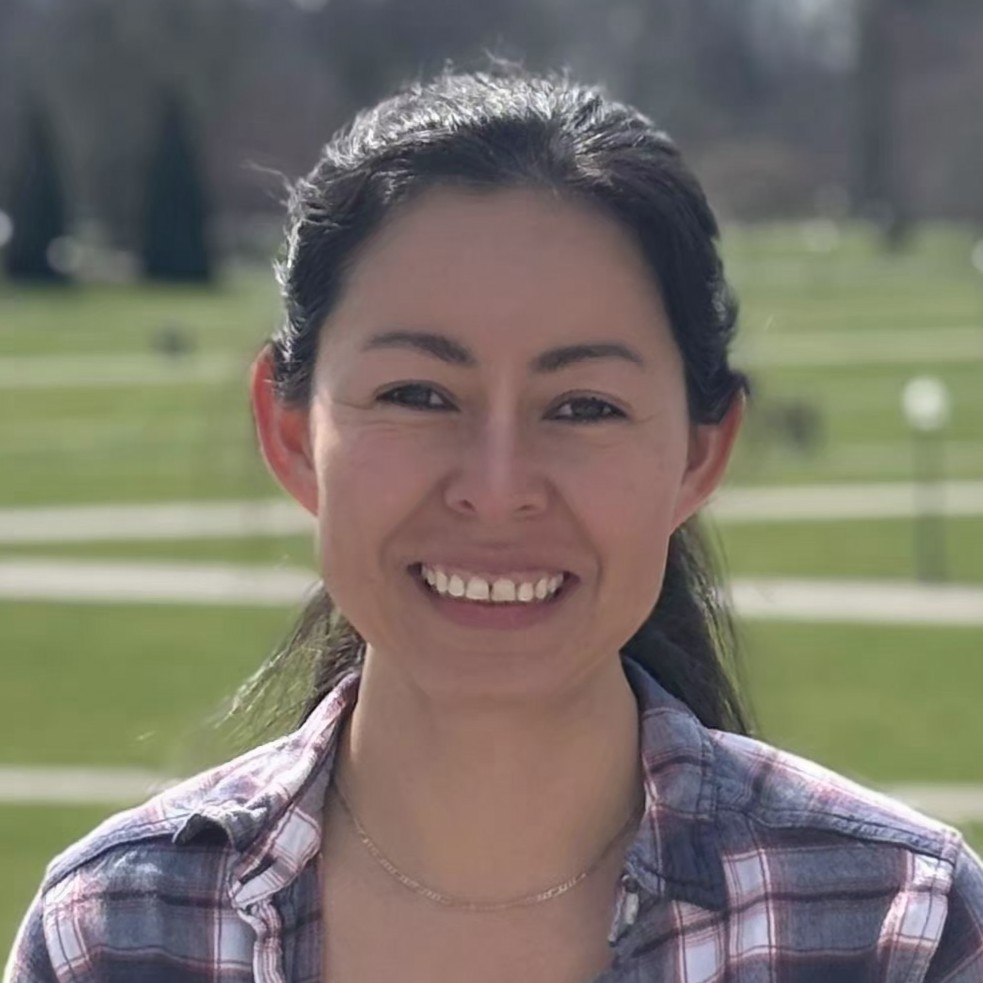
Viviana Hernández Castañón, PhD
Predictive Modeling of Dystonic Biomarkers Using Minimally Invasive EEG Recordings
Virginia Tech University
Dystonia is a common movement disorder characterized by involuntary muscle contractions and abnormal postures, but its causes and early detection remain poorly understood. This project studies early brain changes using a mouse model in which some animals develop dystonia while others with the same mutation remain symptom-free. Researchers will record brain activity using electroencephalography (EEG) and track movement over time to identify patterns that predict when dystonia symptoms will appear. The goal is to discover early brain markers that could help doctors detect dystonia sooner and guide more effective treatments.

Nguyen Minh Thu Pham, PhD
Autophagic Targeting of Nuclear Condensates to Restore Protein Homeostasis in Dystonia
Yale University
DYT1 dystonia is a childhood-onset movement disorder caused by mutations in the torsin protein, which disrupts how cells maintain healthy proteins. This research found that cells lacking torsin form harmful protein clusters, called condensates, that trap important quality-control factors and lead to cellular stress. Building on previous discoveries, this project will test how activating autophagy—the cell’s natural cleanup system—can remove these toxic condensates and restore normal protein balance. The work aims to identify new therapeutic targets and potential treatment strategies for dystonia.
Clinical Fellows

Dakota Peacock, MD
Mentor: Jennifer O’Malley, MD, PhD
Stanford University
Dr. Peacock will begin his fellowship at Stanford University in July 2026 and will spend the first year receiving clinical training while the second year will focus on clinical research.
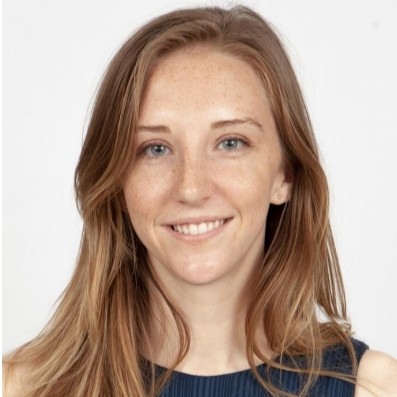
Alexandra Thele, MD
Mentor: Aasef Shaikh, MD, PhD
University Hospitals Cleveland Medical Center
Dr. Thele will begin her fellowship at University Hospitals Cleveland Medical Center in July 2026 and will spend the first year receiving clinical training while the second year will focus on clinical research.
About Dystonia
Dystonia is a neurological movement disorder characterized by involuntary muscle contractions that cause twisting, repetitive movements or abnormal postures. It can affect any part of the body and can be extremely debilitating.
About the Dystonia Medical Research Foundation
The Dystonia Medical Research Foundation (DMRF) is the leading dystonia patient advocacy organization. Founded in 1976, the DMRF mission is to advance research toward improved treatments and a cure, promote education and awareness, and provide support resources to affected individuals and families. The DMRF can be reached at www.dystonia-foundation.org or 800-377-DYST (3978).
For media inquiries, please contact: Robyn Kurth, Director of Communications & Outreach
Email: rk****@*****************on.org
Phone: 312-755-0198
 English