Dystonia Medical Research Foundation Announces 2025 Grant and Fellowship Recipients to Propel Dystonia Research
The Dystonia Medical Research Foundation (DMRF), a leading non-profit organization dedicated to funding research to find a cure for dystonia, is proud to announce its 2025 grant and fellowship recipients.
This year, the DMRF awarded six grants and fellowships for basic and clinical dystonia research projects. These grants and fellowships will support scientists investigating the underlying causes and mechanisms of dystonia and developing new treatment strategies.
“We were impressed by the caliber of these young investigators and look forward to tracking the progress of their research in the months and years to come,” said Mark Rudolph, President of the Board at the DMRF. “Now more than ever, it is important for the Dystonia Medical Research Foundation to support research in the rare disorder space. We can only maintain progress in improving the lives of those affected by dystonia if funding remains uninterrupted and dedicated researchers continue their work discovering the causes of dystonia and developing more effective treatments.”
Grant Recipients:
Martin Piazza, MD University of Pittsburgh, Pittsburgh, PA Neurosurgery in Pediatric Dystonia: A multimodal analysis of complex decisions Dr. Piazza will research how families make informed decisions about deep brain stimulation (DBS) surgery for children with dystonia by addressing two key gaps: understanding how families weigh the benefits and risks of DBS and comparing its long-term effectiveness and costs to standard medical care. Ultimately, the research will provide better support for families, guiding them through complex decisions about their child’s care.
Mariangela Scarduzio, PhD University of Alabama at Birmingham, Birmingham, AL A Role for Striatal Somatostatin Interneurons in Hyperkinetic Movement Disorders Dr. Scarduzio seeks to further explain why somatostatin-expressing interneurons (SOMs) found in certain brain circuits in the striatum become highly active when dystonia-like symptoms are induced. By testing ways to control these cells, she hopes to better understand how to treat movement disorders like dystonia.
Joaquim Alves da Silva, MD, PhD Champalimaud Foundation, Lisbon, Portugal Striatal Neural Correlates of Overuse Dystonia Dr. Silva aims to introduce a new mouse model where repetitive training of a skilled task triggers dystonia, hoping to better understand the brain circuits involved and test deep brain stimulation (DBS) as a treatment. By studying brain activity during dystonia development in the new mouse model, this project hopes will shed insights into the condition’s mechanisms and uncover new pathways for therapeutic development.
Postdoctoral Research Fellow:
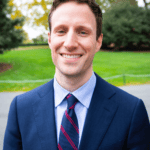
Alexander Hodge, PhD University of Michigan, Ann Arbor, MI Determining a mechanism of symptom severity in DYT1 dystonia Dr. Hodge intends to explore how changes in the neurotransmitters dopamine and acetylcholine in the brain’s striatum contribute to the development and severity of dystonia. By tracking real-time interactions between these neurotransmitters in mice with different dystonia-related mutations, the research will provide insights into how these chemical changes affect motor behaviors and may lead to dystonic symptoms. The findings could help identify specific targets for improving clinical manifestations of dystonia.
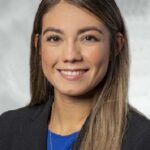
Karen Ibarra, MD Mentor: Dr. Jill Ostrem University of California, San Francisco Dr. Ibarra will begin her fellowship at University of California, San Francisco in July 2025 and will spend the first year receiving clinical training while the second year will focus on clinical research.
About Dystonia:
Dystonia is a neurological movement disorder characterized by involuntary muscle contractions that cause twisting, repetitive movements or abnormal postures. It can affect any part of the body and can be extremely debilitating.
About the Dystonia Medical Research Foundation:
The Dystonia Medical Research Foundation (DMRF) is the leading dystonia patient advocacy organization. Founded in 1976, the DMRF mission is to advance research toward improved treatments and a cure, promote education and awareness, and provide support resources to affected individuals and families. The DMRF can be reached at www.dystonia-foundation.org or 800-377-DYST (3978).
For media inquiries, please contact: Robyn Kurth, Director of Communications & Outreach Email: rk****@*****************on.org Phone: 312-755-0198





 English