
By Karen K. Ross, PhD, DMRF Vice President of Support This article was published in the Dystonia Dialogue. Our family felt like the rug was pulled out from under us when my son was first diagnosed with dystonia. Each family member was affected in profound ways, and we experienced the entire range of emotions. Shock, […]

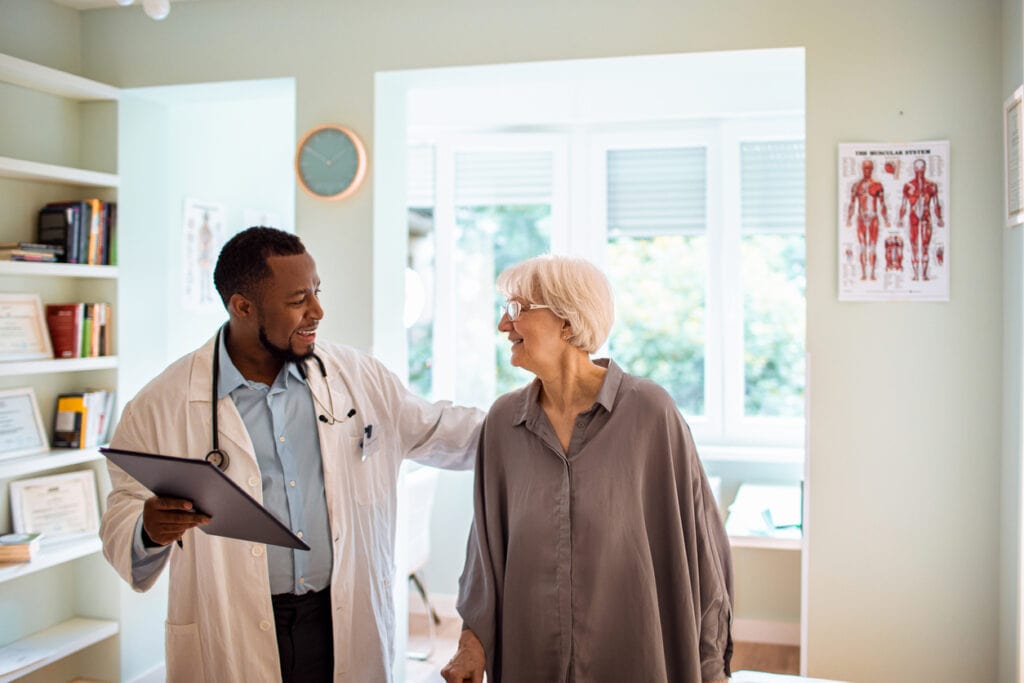
Born Yesterday: Dystonia & Aging Whether someone has lived with dystonia for months or decades, the disorder often requires adjustments across many areas of daily life. The advantages of experience and aging can help ease certain aspects of the dystonia journey, while evolving realities may create new challenges. Being aware of the natural aging process […]
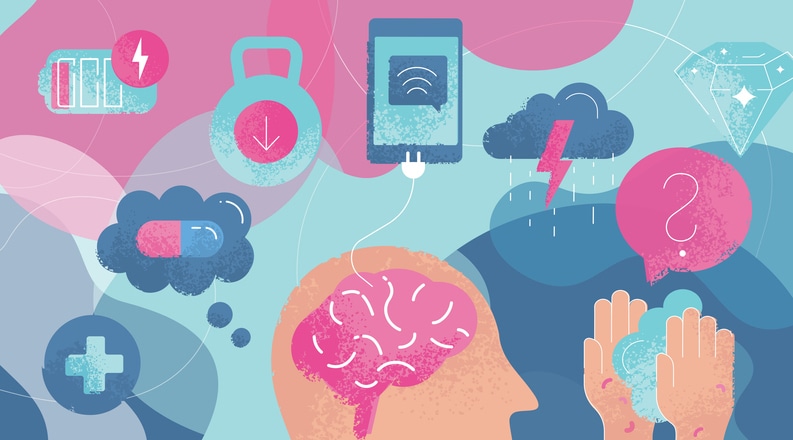
Dystonia is a neurological disorder that affects the physical body, but the impact goes far deeper and may affect a person’s emotional and mental health. Individuals diagnosed with dystonia commonly experience symptoms that affect more than how the body moves. If you are feeling depressed, anxious, or overwhelmed, please consider reaching out for help. The […]

Several research teams reported major advances in the development of new drugs to treat movement disorders including dystonia. In one of the preclinical studies, investigators have identified several compounds that retain the beneficial effects of anticholinergic drugs like Artane® while eliminating side effects. Another research group successfully corrected dystonic brain abnormalities in mice with a […]

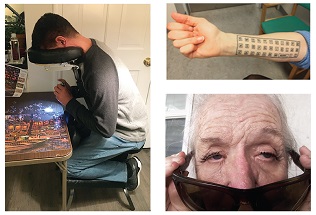
This article was published in the Dystonia Dialogue. Medical treatment for dystonia is available, but effectiveness varies. Few treatment options, on their own, provide 100% relief. Living well with dystonia often requires creative adaptations invented by those experiencing the disorder firsthand. An international team of clinicians recently published examples of the “self-concocted, curious, and creative” […]

This article was published in the Dystonia Dialogue. Svjetlana Miocinovic, MD, PhD is Assistant Professor in the Department of Neurology, Movement Disorders Section, at Emory University School of Medicine. Her research focus is on the electrophysiology of human motor circuits and the development of device-based therapies. Her clinical focus is using deep brain stimulation (DBS) […]

This article was published in the Dystonia Dialogue. “We’re experts in the diagnosis, pathophysiology, and management of any disabling condition,” explained John McGuire, MD, a physical medicine and rehabilitation (PM&R) specialist and Director of Stroke Rehabilitation & Spasticity Management at Froedtert Medical College of Wisconsin. PM&R physicians evaluate and treat patients with physical and cognitive […]

This article was published in the Dystonia Dialogue. Dystonia is a neurological disorder that causes excessive, involuntary muscle contractions. These muscle contractions result in abnormal muscle movements and body postures, making it difficult for individuals to control their movements. People who live with dystonia may also experience a range of non-motor symptoms that dramatically impact […]

This article was published in the Dystonia Dialogue. The path to becoming a parent for individuals in the dystonia community is as varied as society at large. There are more options than ever for having children: biologically, via reproductive medicine, fostering, and adoption. Parents with dystonia may encounter challenges that parents without health issues might […]

This article was originally published in the Dystonia Dialogue. What is dystonia? Dystonia is a brain disorder resulting in involuntary, abnormal postures or movements of the body due to excessive muscle contractions. Dystonia may be the only neurological disorder a person has, or the dystonia may be part of a medical condition or disease with […]






 English