
Botulinum neurotoxin (BNT) injections are a common treatment for dystonia. This therapy is used to treat dystonia symptoms in a specific group of muscles, for example, the neck, face, or a limb. Despite the popularity of this treatment for dystonia, certain important aspects of the therapy may come as a surprise to new patients. BNT […]

This content originally appeared in the Dystonia Dialogue. The Centers for Disease Control & Prevention (CDC) estimate that 60% of Americans are not active at the recommended levels for good health. The merits of exercise have been studied extensively, including in neurological conditions such as Parkinson’s disease and multiple sclerosis. Researchers are beginning to examine […]

Mindfulness meditation is a technique that can provide support during times of elevated stress. A daily practice can reduce tension and pain and provide moments of peace. Mindfulness meditation is not a substitute for medical treatment. It is a process to support overall wellness for individuals living with and without chronic conditions. DMRF Vice President […]

“DMRF initiated, supported, stimulated, and catalyzed essential scientific and medical efforts that created the modern dystonia field.” -Jan Teller, MA, PhD Chief Scientific Advisor Nearly 45 years ago, the DMRF began the ambitious mission to find a dystonia cure. Since that time, the Foundation has provided funding to 270+ investigators and has grown the field […]

This article originally appeared in the Dystonia Dialogue. “Even when we treat symptoms in dystonia, people are still sometimes left with bothersome symptoms, and they’re also dealing with more than just the physical symptoms that we can see,” explained Danny Bega, MD, neurologist and movement disorders specialist at Northwestern Medicine in Chicago. “A lot of patients with […]

Good sleep is among the top self-care activities that can boost your coping and physical wellness. Individuals with dystonia frequently experience insomnia and problems with sleep. Insomnia may occur prior to developing dystonia, or as a result of dystonia. Some sources suggest more than 60% of individuals with dystonia have fatigue or day time sleepiness. […]

Dystonia is a neurological disorder that affects the physical body, but the impact goes far deeper. Individuals diagnosed with dystonia commonly experience symptoms that affect more than how the body moves. Living well with dystonia often requires addressing more than the physical movement symptoms. Non-motor symptoms are a significant burden, and can be as disabling—or […]
This article appeared in the Dystonia Dialogue. “In my family, we were all aware that my father had a problem with his hands,” explained Carole Rawson, “and my parents’ generation was one in which, if there was something bad going on, you didn’t talk about it. He was very closed-lipped about it.” Carole’s father went […]

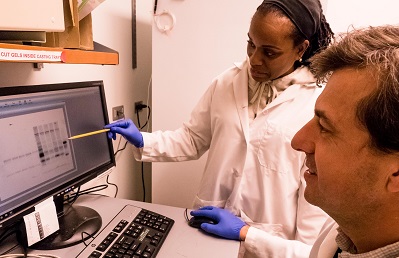
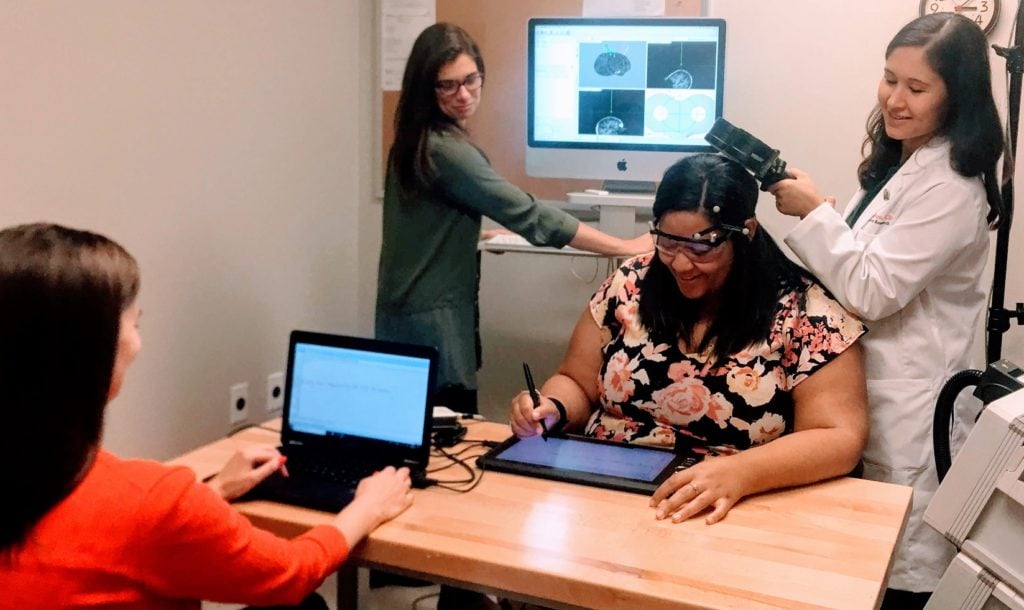
This article originally appeared in the Dystonia Dialogue. “During my fellowship training at Duke, the faces of dystonia patients with painful postures and tremors stayed with me,” said Noreen Bukhari-Parlakturk, MD, PhD, a movement disorder neurologist and clinical investigator at Duke Neurological Disorders Clinic. “Their stories of resilience and optimism—despite daily hardship and social misunderstanding—inspired […]

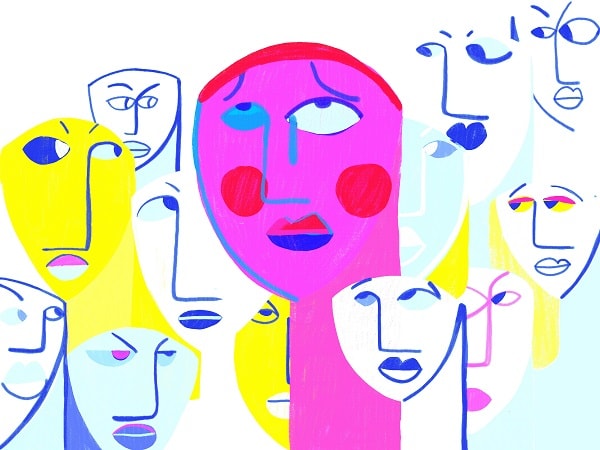
This article appeared in the Dystonia Dialogue. Moments of social awkwardness are a common human experience. We may feel anxious or uncomfortable when meeting new people, public speaking, or in other situations where we are the focus of attention. For some of us, the anxiety becomes severe and permeates social interactions of any and all […]







 English